

Methods for using leverage in finance
Methods for using leverage in finance refer to the techniques of utilizing borrowed capital to amplify the potential profit of an investment
In other words, it involves using a small amount of money to control a larger amount of money, which can magnify gains or losses. There are several methods for using leverage in finance, including margin trading, options trading, futures trading, and using debt to finance investments.
While leverage can lead to higher returns, it also carries a higher level of risk, and it’s important to understand the potential downsides before using it in any investment strategy.

Top 5 methods for using leverage in finance
Leverage is a powerful tool in finance that can help you increase your potential returns, but it also comes with a higher risk of loss. Here are the top 5 methods :
1.Margin Trading:
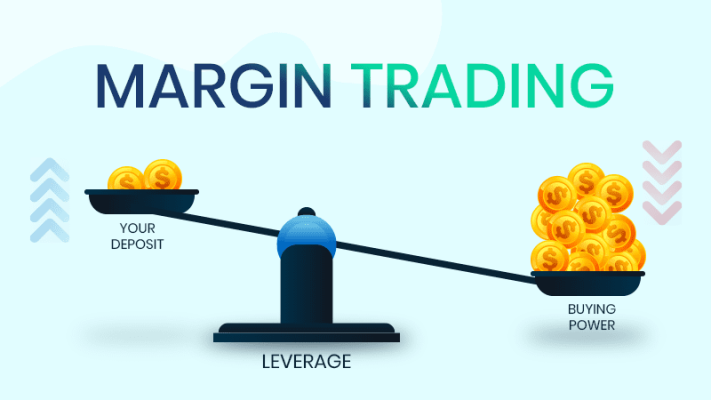
Margin trading allows you to borrow funds from a broker to invest in securities. The amount you can borrow is based on the collateral you have in your account, such as stocks or bonds. Margin trading can amplify your gains, but it can also amplify your losses if the investment goes against you.
2.Options Trading:
Options trading allows you to buy or sell options contracts, which give you the right to buy or sell an underlying asset at a predetermined price on or before a specific date.
Options trading can provide leverage because you can control a large amount of the underlying asset with a small investment, but it can also be risky because options contracts have an expiration date.
3.Futures Trading:
Futures trading allows you to buy or sell futures contracts, which are agreements to buy or sell an underlying asset at a predetermined price and date.
Futures trading can provide leverage because you can control a large amount of the underlying asset with a small investment, but it can also be risky because futures contracts are subject to market volatility and can be highly leveraged.
4.Forex Trading:
The foreign exchange market, commonly referred to as Forex trading, provides individuals with the ability to trade currencies. With Forex trading, traders have the potential to leverage their investments and control a large amount of currency with a small investment. However, this trading approach carries a significant level of risk due to the highly volatile nature of the forex market and the potential for unexpected events that can cause significant losses.
Therefore, traders must be knowledgeable about the forex market, employ effective risk management strategies, and have a disciplined approach to trading to minimize their risks and maximize their potential for profits.
5.Real Estate Investing:
Real estate investing allows you to use leverage by borrowing funds to purchase a property. Real estate can provide a stable source of income and appreciation over the long term, but it can also be risky because of market fluctuations and the potential for property value to decline.
In conclusion, leverage can be a useful tool for increasing potential returns in finance, but it should be used with caution and only after careful consideration of the associated risks.
It is important to understand the specific risks and rewards of each method of using leverage and to only invest what you can afford to lose.

See more:How to make money while sleeping
The meaning of 5 methods for using leverage in finance.
Leverage is a common tool used in finance to amplify the potential returns of an investment. There are several methods of using leverage in finance, each with its own benefits and risks.
The first method is margin trading
Margin trading is a method of buying securities by borrowing money from a broker. This approach can be attractive to investors because it enables them to purchase more securities than they could afford with their own funds, potentially leading to higher returns.
However, it also comes with significant risks. If the value of the securities declines, the investor may not have enough funds to repay the loan, leading to substantial losses. It is important to carefully evaluate the risks and potential rewards before engaging in margin trading. Additionally, investors should monitor their investments closely and take appropriate steps to manage risk, such as setting stop-loss orders to limit potential losses.
The second method is options trading
Options are a type of contract that provides the holder with the right to buy or sell an underlying asset at a predetermined price. This approach can be utilized to amplify investments and generate higher returns, but it also entails significant risks.
If the investment fails to perform as anticipated, the investor may face the possibility of losing their entire investment. Thus, investors should exercise caution when using options as part of their investment strategy. It is crucial to understand the intricacies of the options market and employ effective risk management techniques.
The third method is futures trading
Futures trading refers to the process of buying or selling contracts for the future delivery of an underlying asset. This investment method, similar to options trading, allows for the use of leverage to increase potential returns. However, it is important to note that futures trading also comes with significant risks. When using leverage, even a small market fluctuation can lead to substantial losses. It is important for investors to fully understand the risks involved and to have a solid risk management plan in place before engaging in futures trading.
The fourth method is using leverage through exchange-traded funds (ETFs).
Investors can use ETFs to purchase a group of securities by borrowing money, which can potentially result in higher returns. Nonetheless, similar to other forms of leverage, ETFs come with significant risks.
It is possible for investors to achieve greater diversification by investing in ETFs. Nevertheless, like any investment, there is a risk that the value of the ETF could decrease, leading to losses.
ETFs may be attractive to investors because of their liquidity and low expense ratios. However, the use of borrowed funds to invest in ETFs can amplify losses, making it a risky strategy.
In addition, ETFs are not immune to market volatility, and investors may face significant losses in times of economic downturns.
Investors should consider their risk tolerance and investment goals before investing in ETFs with borrowed money. It is crucial to monitor investments regularly and make adjustments as needed to manage risk.
In conclusion, while ETFs can provide an opportunity for higher returns, the use of borrowed money to invest in them should be approached with caution due to the significant risks involved.
The fifth method is using debt to finance investments.
Borrowing money to invest in assets is a common strategy to generate profit. The expectation is to earn a higher return on the investment than the cost of borrowing. However, this method is not without risks. There are significant risks associated with borrowing to invest, especially when the investment value decreases. In this scenario, the borrower may be left with a considerable amount of debt. It is important to carefully consider the risks involved and make informed decisions when implementing this investment strategy.
4.Notes when using methods for using leverage in finance
The financial leverage method is a useful tool in financial investment, but it also carries potential risks for investors. Therefore, to use leverage effectively, investors should be aware of the risks associated with each method. The most important thing is for investors to consider their risk tolerance and financial goals before using leverage.
Investors need to ensure that they closely monitor their investments and make necessary adjustments to manage risk and maximize profits. This means that investors should have a detailed plan to manage risk, evaluate potential risks, and make decisions based on these factors.
Another important factor is to work with an experienced financial advisor to support investors in using financial leverage. A financial advisor can help investors understand the risks and how to manage them, as well as provide advice to help investors make sound decisions when using financial leverage.
With these recommendations, investors can use financial leverage more effectively and achieve their financial goals. However, investors should always be aware of potential risks and take preventive measures to minimize them.
