
new, TECHNOLOGY
Top 5 differences between electric cars and gasoline cars
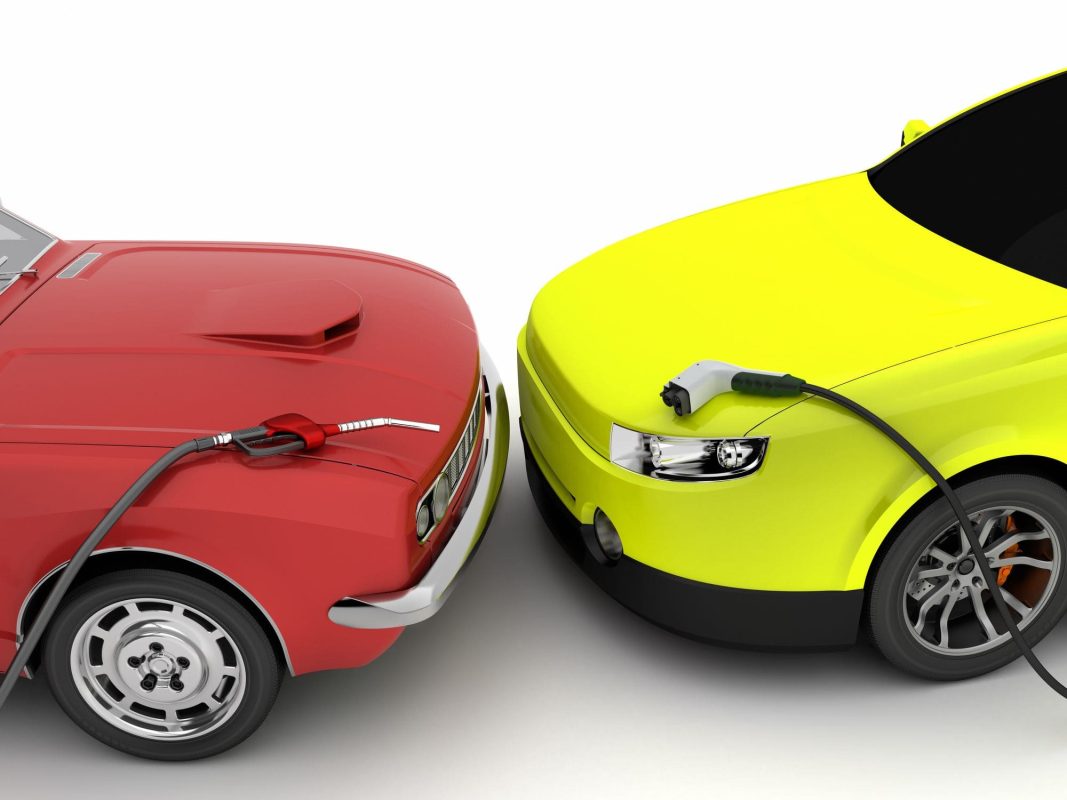
Do you know the difference between electric and gas cars?
Are you curious about the differences between electric and gas cars? It’s no secret that the debate between these two types of vehicles has been going on for years. Electric cars run on batteries that require charging, while gas cars rely on gasoline to power their engines.
One of the most significant differences between electric and gas cars is their environmental impact. Electric cars produce zero emissions, while gas cars emit harmful gases that contribute to air pollution and climate change. In addition, electric cars are much more energy-efficient, meaning that they use less energy to travel the same distance as a gas car.
Another key difference is the cost. While electric cars may have a higher upfront cost, they typically have lower operating costs over time. This is because charging an electric car is generally cheaper than filling up a gas car, and electric cars require less maintenance.
However, gas cars still have some advantages over electric cars. They have a longer driving range, making them better suited for long trips, and they can be refueled quickly at gas stations, whereas charging an electric car can take several hours.
Overall, both electric and gas cars have their own unique advantages and disadvantages. Ultimately, the choice between the two will depend on your personal preferences, lifestyle, and driving habits. So, which one is right for you?
Top 5 differences between electric cars and gasoline cars
Electric cars have emerged as a popular alternative to gasoline cars, and with good reason. While they may look similar on the outside, these two types of vehicles have significant differences that impact everything from the driving experience to environmental impact. In this article, we’ll explore the top five differences between electric cars and gasoline cars.
Power source
Electric and gasoline cars are fundamentally different in terms of their power source. Gasoline cars rely on internal combustion engines that burn fuel to create energy, while electric cars use rechargeable batteries that power an electric motor. This difference has significant implications for the environmental impact and efficiency of the two types of vehicles.
Gasoline cars burn fuel, which creates emissions that are released into the atmosphere through the tailpipe. These emissions include carbon dioxide, carbon monoxide, and nitrogen oxides, all of which contribute to air pollution and climate change. In contrast, electric cars emit no tailpipe emissions, which makes them a cleaner alternative to gasoline cars.
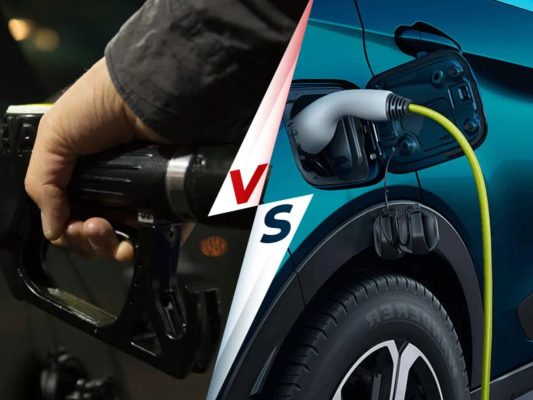
In addition to being more environmentally friendly, electric cars are also more energy-efficient than gasoline cars. Gasoline cars waste a significant amount of energy through heat and friction, which is lost during the combustion process. Electric cars, on the other hand, convert almost all of their stored energy into motion, making them much more efficient.
Despite these advantages, there are still some challenges associated with electric cars, such as their limited range and the availability of charging infrastructure. However, as technology continues to advance and infrastructure improves, electric cars are becoming an increasingly viable alternative to gasoline cars. In fact, many experts predict that electric cars will eventually become the dominant form of transportation, as they offer a cleaner, more efficient, and more sustainable way to travel.
Maintenance
One of the most significant differences between gasoline and electric vehicles is the amount of maintenance required to keep them running smoothly. Gasoline cars, for instance, require regular maintenance, such as oil changes, spark plug replacements, and tune-ups. These tasks are necessary to ensure that the engine runs efficiently and that the car is safe to drive.
In contrast, electric cars have fewer moving parts and therefore require less maintenance overall. There is no need for oil changes or spark plug replacements, which can save owners time and money in the long run. In addition, electric vehicles don’t have traditional transmissions, which can be prone to wear and tear over time. This means that electric cars can last longer before needing major repairs.
However, it’s worth noting that electric vehicles do have some maintenance requirements of their own. The batteries that power electric cars have a limited lifespan, typically around 8 to 10 years, and will eventually need to be replaced. This is an expensive repair that can cost thousands of dollars, so it’s something that electric car owners need to keep in mind.
In conclusion, while gasoline cars require more frequent maintenance than electric cars, the latter are not maintenance-free. Although electric cars have fewer moving parts and require less maintenance overall, they do require battery replacements every 8 to 10 years, which can be costly. Despite this, electric cars tend to have lower overall maintenance costs than gasoline cars, making them an attractive option for environmentally conscious and cost-conscious drivers alike.
Performance
The automotive industry has been evolving rapidly over the years, with the introduction of new technologies and the adoption of sustainable practices. One of the most significant developments has been the shift towards electric vehicles. While gasoline-powered cars have been the dominant mode of transportation for over a century, electric cars are slowly but surely gaining ground. One of the key differences between the two types of vehicles is their performance.
Gasoline cars have long been known for their speed and acceleration, thanks to the powerful engines that drive them. However, electric cars have a distinct advantage in terms of instant torque. Unlike gasoline cars that require some time to build up speed, electric motors provide instant torque, allowing them to accelerate quickly from a stop. This feature not only makes electric cars quicker off the line but also improves their overall performance.
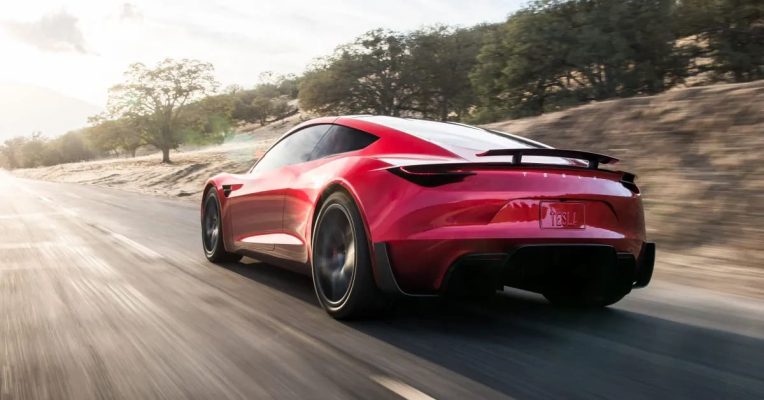
Moreover, electric cars tend to have a lower center of gravity, which provides a more stable and controlled driving experience. The battery packs that power electric cars are typically located at the bottom of the vehicle, which helps to distribute the weight evenly and improves handling. This lower center of gravity also reduces the risk of rollovers, making electric cars safer to drive than their gasoline counterparts.
In conclusion, while gasoline cars are still popular, electric cars are becoming an increasingly attractive alternative. With their instant torque, lower center of gravity, and quiet ride, electric cars provide a more enjoyable driving experience. As technology continues to improve, we can expect electric cars to become even more efficient, reliable, and cost-effective, making them a viable option for all drivers.
Charging vs. Refueling
Fueling up is an essential aspect of owning a car, and it’s one that can have a significant impact on a driver’s experience. Gasoline cars require regular trips to gas stations to refuel, which can be a hassle, especially during busy periods or when there are long queues. The process of filling up a gas tank is also time-consuming and can take several minutes, depending on the size of the tank.
In contrast, electric cars offer a more convenient and flexible option for fueling up. Since electric cars run on battery power, they can be charged at home using a standard electrical outlet or at public charging stations. This means that drivers don’t need to worry about refueling on the go, and they can simply plug in their car when they get home and leave it to charge overnight. This process is not only more convenient but can also be cheaper, as the cost of electricity is typically lower than gasoline.
Electric cars take longer to charge than gasoline cars, but drivers can charge them while doing other activities like sleeping, working, or shopping. Public charging stations are often located near amenities like restaurants or shopping centers, allowing drivers to recharge while running errands or eating. Electric cars are increasingly popular due to their convenience and flexibility, with home and public charging options providing a cost-effective way to fuel up. As technology improves, we can expect even more efficiency and user-friendly features from electric cars in the future.
Environmental Impact
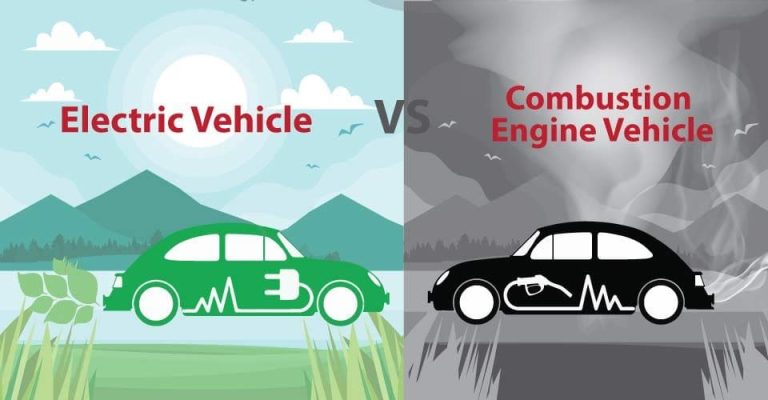
The environmental impact of automobiles has become an increasingly important concern in recent years, as the negative effects of pollution and climate change have become more apparent. One of the most significant differences between electric and gasoline cars is their impact on the environment. Gasoline cars are powered by internal combustion engines that burn fossil fuels, releasing harmful pollutants such as carbon monoxide, nitrogen oxides, and particulate matter into the air.
These pollutants can have a significant impact on both human health and the environment, contributing to respiratory problems, acid rain, and climate change. In contrast, electric cars emit no tailpipe emissions, making them much cleaner and more environmentally friendly. This is a significant advantage, particularly in urban areas where air pollution is a major problem.
See more:Top 10 technology devices in your family often use
Overall, the environmental impact of automobiles is an important consideration for anyone in the market for a new car. Gasoline cars have been dominant, but electric cars are gaining popularity due to cleaner emissions and cost savings. With advancing technology and more renewable energy sources, electric cars are expected to become more efficient, affordable, and environmentally friendly in the future.
In conclusion, while electric and gasoline cars may appear similar on the surface, there are significant differences between the two. Electric cars offer a more sustainable, energy-efficient, and environmentally friendly alternative to gasoline cars, while also providing a smooth, quiet ride and requiring less maintenance. As the world continues to move towards a more sustainable future, electric cars are sure to play an increasingly important role.
Advice for you when you have to choose between an electric car and a gas car
Electric cars and gasoline cars each have their own set of considerations to take into account when deciding between the two. First and foremost, electric cars are much better for the environment than gas cars. They emit far fewer greenhouse gases and pollutants, which is better for both the planet and your health.
However, there are some practical considerations to keep in mind as well. Electric cars are generally more expensive upfront than gas cars, although they may be cheaper to maintain in the long run. You’ll also need to make sure that you have access to charging stations, either at home or on the road, as electric cars typically have a shorter driving range than gas cars.
Ultimately, the decision between an electric car and a gas car will depend on your individual needs and priorities. If you’re looking for a more eco-friendly option and are willing to invest in the upfront cost, an electric car may be the way to go. However, if you’re on a tight budget or need a car with a longer driving range, a gas car may be a better choice.
