
FINANCE
The top 8 most popular cryptocurrencies currently
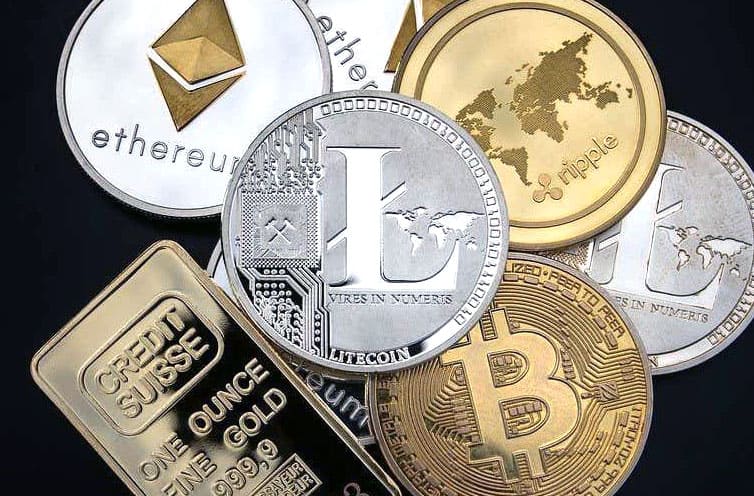
PopularPopular Overview of current popular cryptocurrencies
Popular Cryptocurrency is a digital asset designed to work as a medium of exchange that uses strong cryptography to secure financial transactions, control the creation of additional units, and verify the transfer of assets. Unlike traditional currency, which is controlled by central banks and governments, cryptocurrencies are decentralized, meaning they are not subject to government interference or manipulation. The most well-known cryptocurrency is Bitcoin, which was introduced in 2009, but since then, thousands of new cryptocurrencies have emerged, each with its unique features and applications. While the cryptocurrency market remains highly volatile and unpredictable, many experts believe that cryptocurrencies will continue to grow and become an increasingly important part of the global financial system.
Today’s popular cryptocurrencies
Eight Most Popular Cryptocurrencies Today
1.Bitcoin (BTC) is the first and most well-known cryptocurrency that uses blockchain technology.
It was created in 2009 by an unknown person or group using the pseudonym Satoshi Nakamoto. Unlike traditional currencies, Bitcoin is not issued or controlled by any government or financial institution. Instead, it relies on a decentralized network of computers that collectively maintain the blockchain, a public ledger of all Bitcoin transactions. Bitcoin can be used to make purchases or transfer funds to anyone in the world without the need for intermediaries like banks or payment processors. Its value is determined by supply and demand in the market and has been known to experience significant price fluctuations. Despite its controversial reputation, Bitcoin has gained popularity as a means of payment and investment, and has even been adopted by some mainstream companies and financial institutions.

2. Ethereum (ETH) is a decentralized platform that enables developers to create and execute smart contracts and decentralized applications.
Ethereum (ETH) is a decentralized blockchain platform that was introduced in 2015. It is designed to enable developers to create and deploy decentralized applications, or “dapps”, which can be used for a variety of purposes, including financial transactions, supply chain management, and social media. The Ethereum blockchain is powered by Ether, a digital currency that is used to pay for transactions and to incentivize network participants to validate transactions and maintain the network. Ethereum also introduced the concept of smart contracts, which are self-executing contracts that can be programmed to automatically execute when certain conditions are met. This has opened up new possibilities for automation and efficiency in a variety of industries. Overall, Ethereum has played a significant role in the development of the wider cryptocurrency and blockchain ecosystem. And its ongoing evolution is closely watched by investors and developers alike.
3. Binance Coin (BNB) is a cryptocurrency used for trading fees on the Binance exchange.
Binance Coin (BNB) is a cryptocurrency created by the Binance exchange in 2017. Initially used only to pay for trading fees on the exchange, BNB has since expanded its use cases. It can now be used for various purposes, including paying for goods and services, booking travel accommodations, and even purchasing real estate. Binance also offers a range of financial products that can be accessed using BNB, such as staking, lending, and earning interest. Binance Coin operates on the Binance Smart Chain, a high-performance blockchain that supports smart contracts and decentralized applications. The popularity and growing use cases of Binance Coin have helped it become one of the top cryptocurrencies by market capitalization.

4. Cardano (ADA) is a proof-of-stake blockchain platform that focuses on sustainability, interoperability, and scalability.
Cardano (ADA) is a decentralized blockchain platform that was created to address some of the scalability, interoperability, and sustainability challenges faced by other blockchain networks. It uses a proof-of-stake consensus mechanism to validate transactions and has a unique two-layer architecture that separates its transaction and settlement layers. Cardano also features a smart contract platform that allows developers to create and execute decentralized applications. Its mission is to provide a more secure, transparent, and decentralized financial system for everyone.
5. Dogecoin (DOGE) was created as a meme-inspired cryptocurrency, but has gained popularity as a means of payment.
Dogecoin (DOGE) is a cryptocurrency that was created in 2013 as a lighthearted, meme-inspired alternative to Bitcoin. Despite its origins as a joke, Dogecoin has gained a significant following and has been used for various charitable and philanthropic causes. Its value is determined by supply and demand in the market, and it has experienced significant price fluctuations over the years. Dogecoin has also gained popularity as a means of payment and has been accepted by some online merchants and businesses.

6. Ripple (XRP) is a real-time gross settlement system, currency exchange, and remittance network.
Ripple (XRP) is a real-time gross settlement system, currency exchange, and remittance network. It was created in 2012 with the goal of enabling fast and secure transactions between financial institutions around the world. Ripple’s technology utilizes a consensus algorithm to validate transactions and maintain the integrity of the network. XRP is the native cryptocurrency used on the Ripple network and serves as a bridge currency for facilitating cross-border payments. Ripple has partnered with a number of major banks and financial institutions, making it a popular choice for those looking to streamline their global payment processes.
Polkadot (DOT) is a scalable and interoperable multi-chain platform for connecting various specialized blockchains.
Polkadot (DOT) is a cryptocurrency that was launched in 2020. It is designed to facilitate interoperability between different blockchains and to enable the creation of new blockchain networks. The Polkadot ecosystem consists of a main blockchain, known as the Polkadot Relay Chain, and multiple “parachains” that can connect to it. DOT is the native token of the Polkadot network and is used for staking, governance, and transaction fees. With its focus on interoperability and scalability, Polkadot is considered a promising project in the blockchain industry.
Litecoin (LTC) is a peer-to-peer cryptocurrency that was created as a faster and cheaper alternative to Bitcoin.
Litecoin (LTC) is a cryptocurrency that was created in 2011 as a fork of Bitcoin. It is designed to be faster and more efficient than Bitcoin, with faster block times and lower transaction fees. LTC operates on a decentralized network and uses a proof-of-work consensus algorithm similar to Bitcoin. The maximum supply of LTC is set at 84 million, with over 66 million already in circulation. LTC is widely accepted by merchants and can be used for online purchases, peer-to-peer transactions, and as a store of value. Overall, Litecoin is seen as a popular and well-established cryptocurrency in the blockchain space.
Furthermore, there are many other types of cryptocurrencies, each with their own unique characteristics and features.
See more: Top 10 coins with beautiful patterns in the world
Advice for you when choosing to invest in popular cryptocurrencies
Investing in popular cryptocurrency involves several factors that need to be taken into account. These include personal investment goals, familiarity with the cryptocurrency market, financial capacity, and patience. Ultimately, deciding whether or not to invest in cryptocurrency is a personal decision.
It can be said that the popular cryptocurrencies market is a high-risk market because the value of cryptocurrencies often fluctuates dramatically and is difficult to predict. If you decide to invest in cryptocurrency, remember that this is a risky form of investment.And you should evaluate your financial ability and risk tolerance before investing.
The future of cryptocurrency is difficult to predict because this market is always highly volatile. However, many experts believe that cryptocurrencies will continue to grow and become an important part of the global financial system. New technologies such as blockchain, DeFi, and NFTs are also creating many opportunities and challenges for cryptocurrencies. However, investors need to be aware of the risks and limitations of investing in cryptocurrencies. And do their research carefully before making investment decisions.
