
new, TECHNOLOGY
Top 06 issues about 3D printing technology you need to know
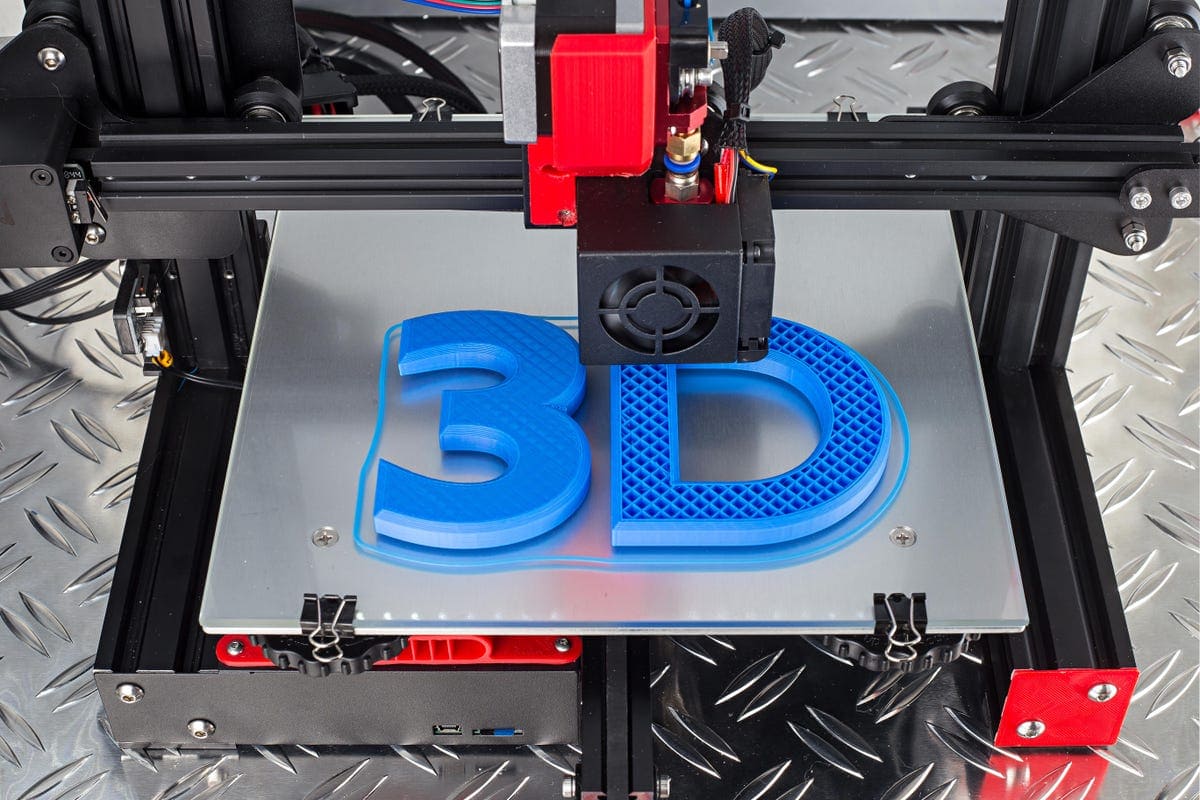
Do you know about 3d printing technology?
3D printing technology , have you ever heard of this incredible technology? 3D printing has rapidly become one of the most talked-about technological advancements in recent years, offering limitless possibilities in manufacturing, prototyping, and even healthcare.
This technology has revolutionized the way we think about creating, designing and producing objects, with its ability to produce physical objects from digital designs.
From small-scale models to entire buildings, 3D printing has the potential to transform many industries and has already begun to make a significant impact in our daily lives. In this article, we will delve into the world of 3D printing and explore the various ways this technology is shaping the future of our world.
Top 06 points about 3d printing you need to know
3D printing has revolutionized the manufacturing industry, enabling the creation of complex shapes and designs that were previously impossible to produce. If you’re new to the world of 3D printing, here are the top six points you need to know:
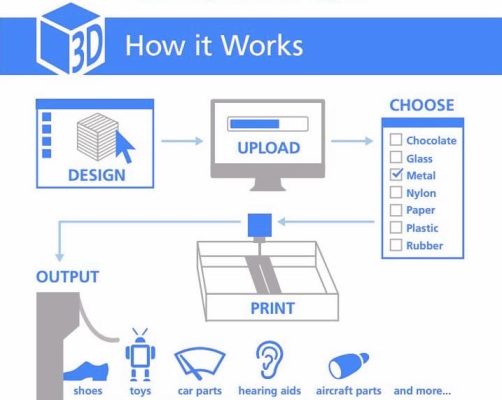
How it works:
3D printing has revolutionized the manufacturing industry, providing significant advantages over traditional manufacturing methods.
One of the key benefits is the ability to achieve faster production times, enabling companies to create products more efficiently and meet market demand. In addition, 3D printing can reduce costs associated with manufacturing, as it eliminates the need for expensive molds and tooling.
Another benefit of 3D printing is the ability to create highly customized products, which can be tailored to meet specific customer needs. This level of customization was previously difficult, if not impossible, to achieve with traditional manufacturing methods. With 3D printing, manufacturers can easily adjust designs to create unique products that stand out in the market.
Overall, 3D printing offers a range of benefits that are transforming the manufacturing industry and opening up new opportunities for businesses to innovate and compete in the global market.
Benefits:
3D printing has revolutionized the manufacturing industry, providing significant advantages over traditional manufacturing methods. One of the key benefits is the ability to achieve faster production times, enabling companies to create products more efficiently and meet market demand. In addition, 3D printing can reduce costs associated with manufacturing, as it eliminates the need for expensive molds and tooling.
Another benefit of 3D printing is the ability to create highly customized products, which can be tailored to meet specific customer needs. This level of customization was previously difficult, if not impossible, to achieve with traditional manufacturing methods. With 3D printing, manufacturers can easily adjust designs to create unique products that stand out in the market.
Overall, 3D printing offers a range of benefits that are transforming the manufacturing industry and opening up new opportunities for businesses to innovate and compete in the global market.
Applications:
The applications of 3D printing are vast and varied, with industries across the board taking advantage of its capabilities. Aerospace is one such industry where 3D printing has proven to be incredibly useful, as it allows for the production of complex parts and components with high precision. Healthcare is another industry that has embraced 3D printing technology, with doctors and surgeons using it to create custom prosthetic limbs, dental implants, and even surgical tools.
And in the world of fashion, 3D printing has opened up new possibilities for designers to create intricate and unique designs, from high-end fashion accessories to avant-garde clothing pieces. Beyond these industries, 3D printing has potential applications in areas such as architecture, automotive, and education. As technology continues to advance, the possibilities for 3D printing are seemingly endless, making it an exciting and rapidly-evolving field to keep an eye on.
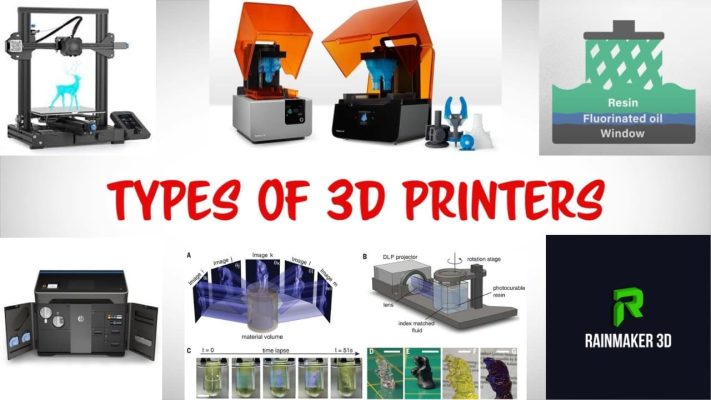
Types of printers:
3D printing has come a long way since its inception, and today there are several different types of 3D printers available. One of the most popular types is Fused Deposition Modeling (FDM), which uses a plastic filament that is melted and extruded through a nozzle to create the object layer by layer. Stereolithography (SLA) is another type of 3D printing that uses a liquid resin that is cured by a laser to create the object. Selective Laser Sintering (SLS) is yet another type of 3D printing, which uses a laser to fuse together small particles of material to create the object.
These are just a few examples of the types of 3D printers available, and each type has its own unique strengths and weaknesses. Depending on the specific needs of your project, one type of 3D printer may be more suitable than another. It’s important to research and consider the various options before making a decision.
Materials:
3D printing technology has revolutionized manufacturing by enabling complex designs with ease, and its ability to work with diverse materials such as plastics, metals, ceramics, and food has expanded its use in various industries. Plastics are affordable and versatile, metals offer strength and durability, ceramics have excellent properties, and food printing allows chefs to create intricate dishes.
As technology advances, we can expect more exciting applications for 3D printing.
Future prospects:
With advancements in technology, 3D printing is poised to become even more widespread, with potential applications in everything from construction to space exploration.
Understanding these key points can help you better appreciate the potential of 3D printing and its impact on the future of manufacturing.
See more:Top 10 best science and technology movies you should watch
The significance of 3D printing technology in daily life
3D printing technology has rapidly become an integral part of our daily lives, and its significance is hard to overstate. With its ability to transform digital designs into tangible objects, 3D printing has revolutionized manufacturing, healthcare, and various other industries.
From custom prosthetics to intricate jewelry, 3D printing has made it possible to create objects that were previously too complex or expensive to produce.
Moreover, 3D printing has opened up new possibilities in architecture, allowing for the creation of buildings that are not only more visually stunning but also more energy-efficient. The widespread adoption of 3D printing technology has also contributed to the democratization of manufacturing, enabling small businesses and individuals to produce their own products without the need for expensive equipment or facilities. In short, the significance of 3D printing technology in daily life is immense and will only continue to grow as the technology advances further.
