
new, TECHNOLOGY
Can AI technology replace humans?
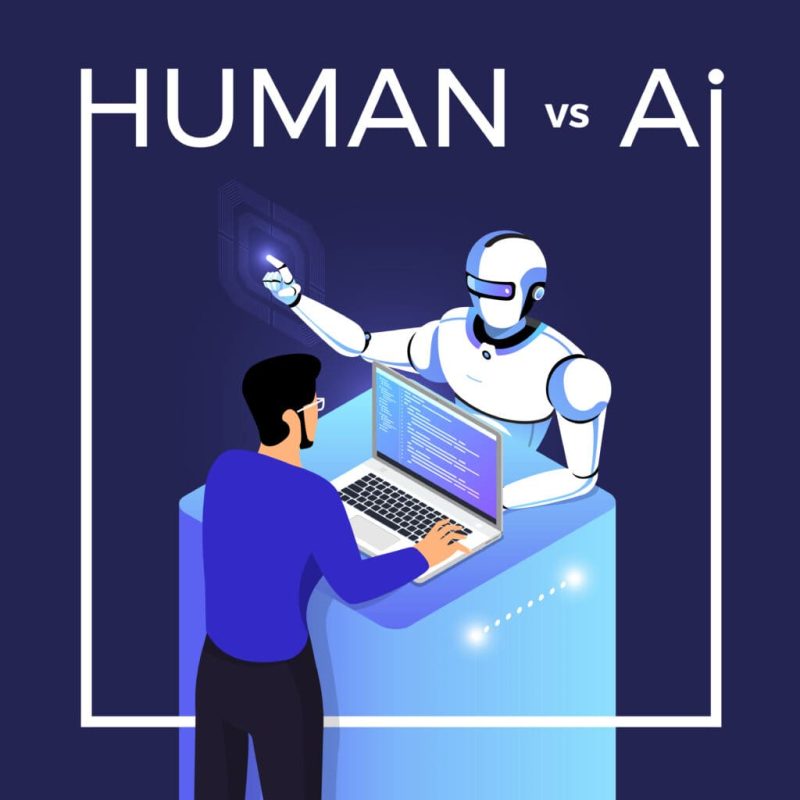
What is AI technology?
AI technology (AI) is a rapidly advancing field that has become increasingly prevalent in various industries and aspects of daily life. It involves the development of intelligent machines and systems that can perform tasks that typically require human intelligence, such as learning, problem-solving, decision-making, and perception.
AI is not a single technology but rather a broad field that encompasses many different technologies, including machine learning, natural language processing, computer vision, and robotics. These technologies enable AI to be used in a wide range of industries, including healthcare, finance, transportation, and manufacturing. AI has many applications, including data analysis, predictive modeling, and automation.
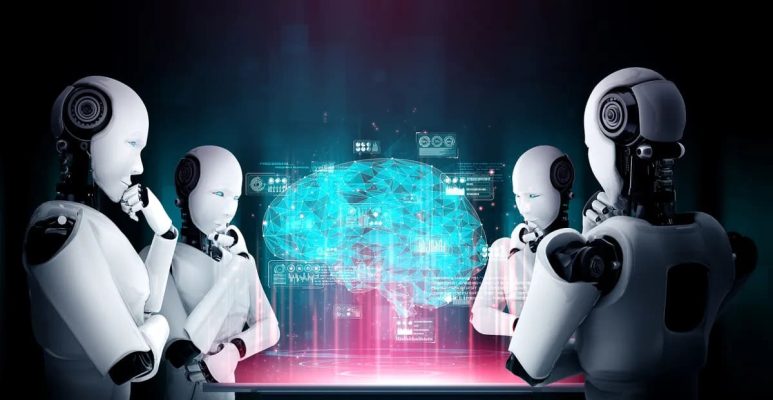
However, to be effective, AI technology algorithms need to be trained on large amounts of data. This data can come from a variety of sources, including sensors, cameras, and user interactions. AI has the potential to transform many aspects of society, including healthcare, education, and transportation. However, concerns have also been raised about the impact of AI on jobs and privacy.
It’s important to note that AI is not infallible. While it can be highly effective in certain tasks, AI algorithms can be biased or make mistakes, and it’s crucial to have human oversight and accountability. By understanding the key aspects of AI technology, individuals and organizations can make informed decisions about how to incorporate AI into their work and daily lives.
Great features of AI technology
Artificial Intelligence (AI) technology has numerous features that make it incredibly useful and powerful. Here are some of the great features of AI technology:
First
AI technology can automate routine and repetitive tasks. Machines can take on tasks such as data entry, sorting, and analysis, freeing up human workers to focus on more creative and complex work. This not only increases productivity, but also helps reduce the risk of errors and inconsistencies.
Second
AI technology can provide personalization. By analyzing large amounts of data, such as a customer’s browsing history or medical records, AI algorithms can create personalized experiences for individuals. This includes personalized product recommendations, customized health plans, and even personalized news feeds.
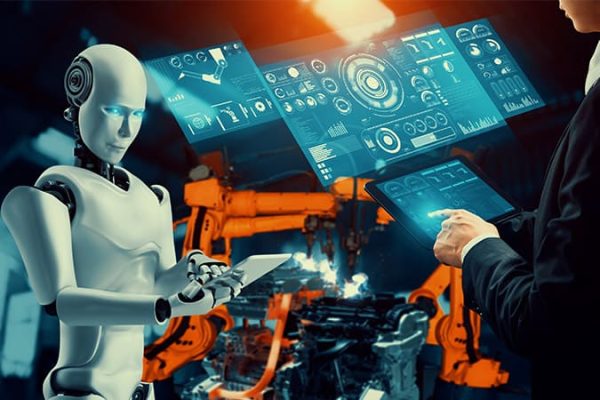
Third
AI technology can use predictive modeling to make accurate predictions based on large data sets. This has numerous applications in a variety of industries, such as finance and healthcare. For example, predictive modeling can be used to predict patient outcomes or stock prices.
Fourth
AI technology includes natural language processing. One of the most remarkable capabilities of AI is its ability to comprehend and analyze human language. This breakthrough in natural language processing has paved the way for a new generation of chatbots, virtual assistants, and other interfaces that can interact with humans in a more intuitive and personalized manner. As a result, machines can now understand and respond to human needs and preferences, revolutionizing the way we communicate with technology.
Finally
AI technology includes computer vision. This allows machines to analyze and interpret visual data, enabling applications such as facial recognition, object detection, and autonomous vehicles. This technology has the potential to transform a wide range of industries, from transportation to healthcare.
These features of AI technology have the potential to revolutionize various industries and enhance our daily lives. However, it’s important to note that with great power comes great responsibility. As AI technology continues to advance, it’s crucial that we consider the ethical implications and ensure that we use this technology for the greater good.
Can AI technology replace humans?
The question of whether AI technology can replace humans has been a topic of debate for years. Some argue that AI has the potential to automate many routine and repetitive tasks, which could increase productivity and efficiency in various industries. With the ability to automate these tasks, it could free up human workers to focus on more complex and creative work, which could ultimately lead to new innovations and developments.
However, there are those who contend that certain tasks mandate human intelligence, including empathy, intuition, and creativity – all of which current AI technology falls short of. Despite making significant progress in recent years, AI still lacks the emotional intelligence and critical thinking abilities of humans. Furthermore, AI technology’s efficacy is contingent on the quality of the data it’s trained on, and any biases inherent within that data can result in biased outcomes.

Furthermore, there are concerns about the impact of AI on employment. AI technology can both create new jobs and industries, as well as automate many jobs, potentially leading to job loss and economic disruption. Furthermore, there are concerns that AI may widen economic inequality, favoring those who have access to these technologies while leaving others behind.
In summary, while AI technology has the potential to automate many tasks, it is unlikely to completely replace humans. Instead, AI t is more likely to augment human intelligence and enhance our abilities. AI technology can help us analyze and process large amounts of data more quickly and accurately, enabling us to make better decisions and predictions.
It can also help us identify patterns and anomalies that humans may miss, leading to new developments and innovations. However, it is important to consider the ethical implications and potential impact on employment as we continue to develop and implement AI .
